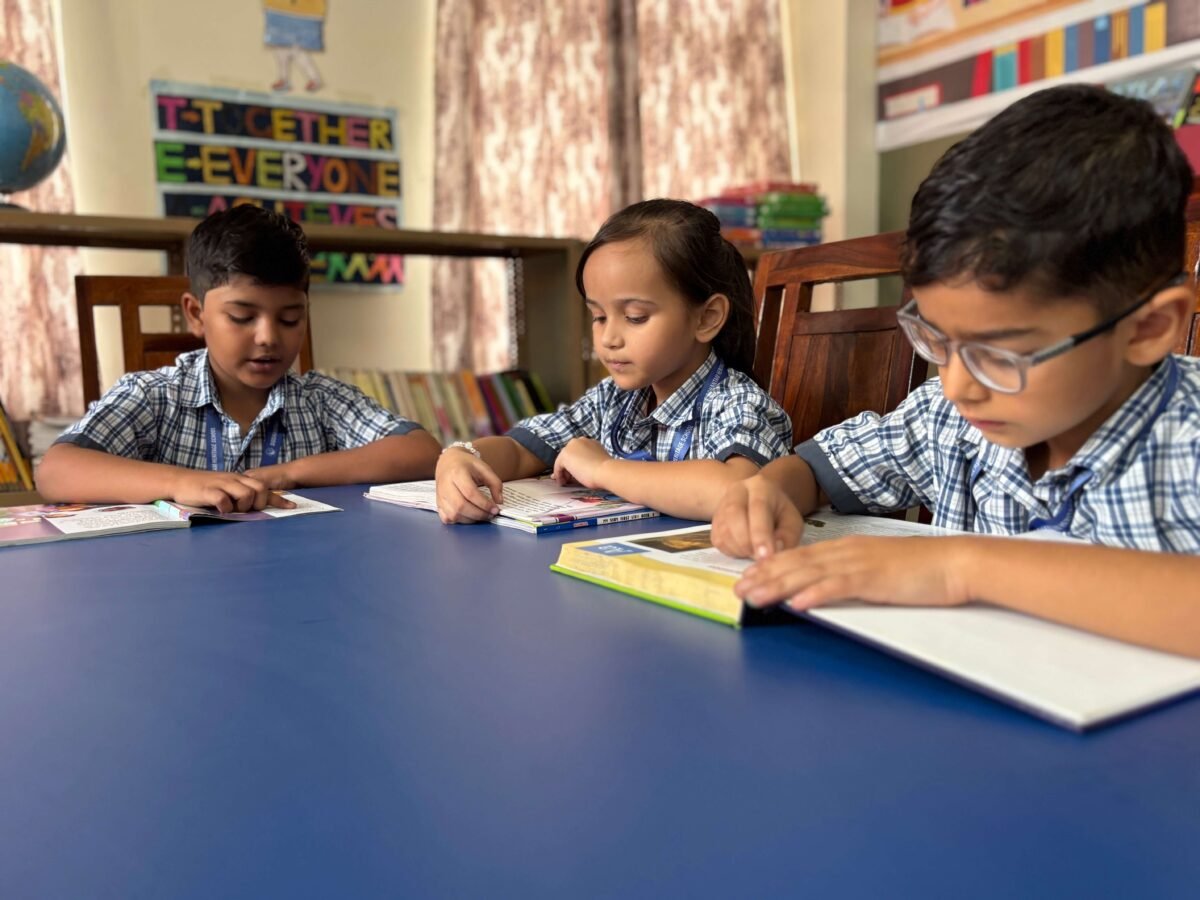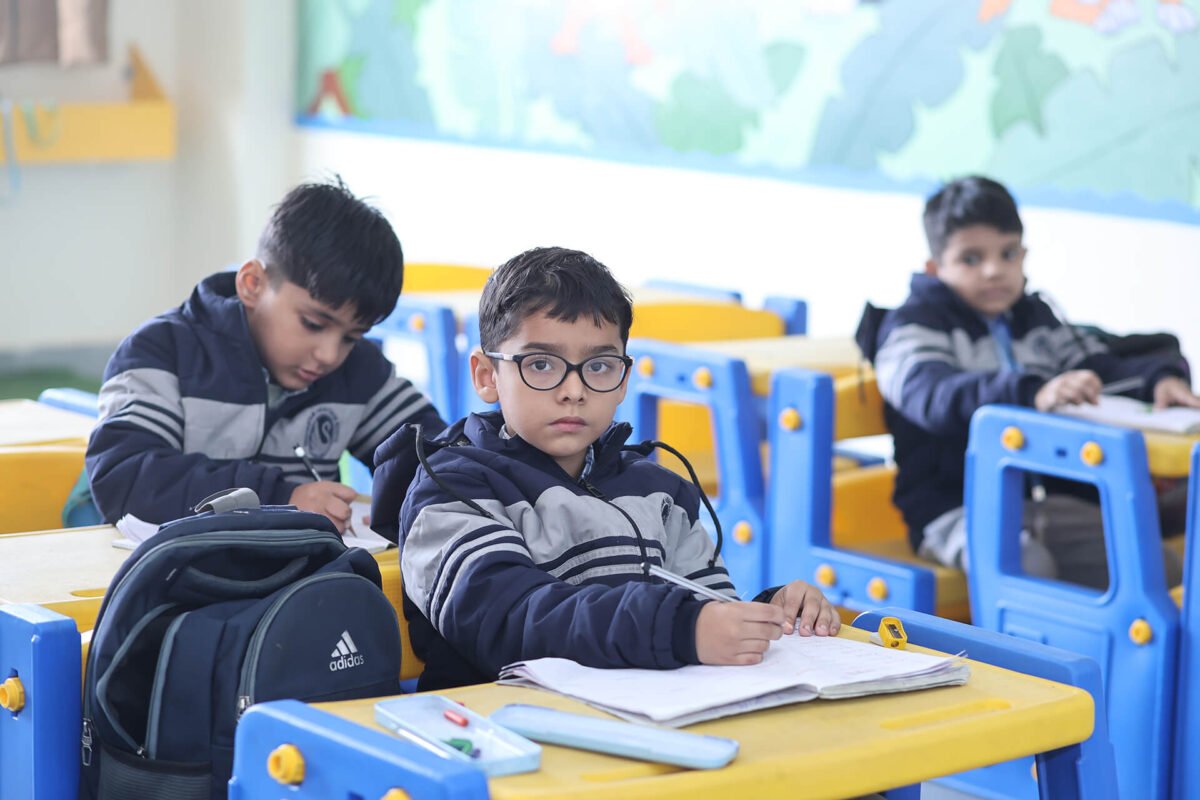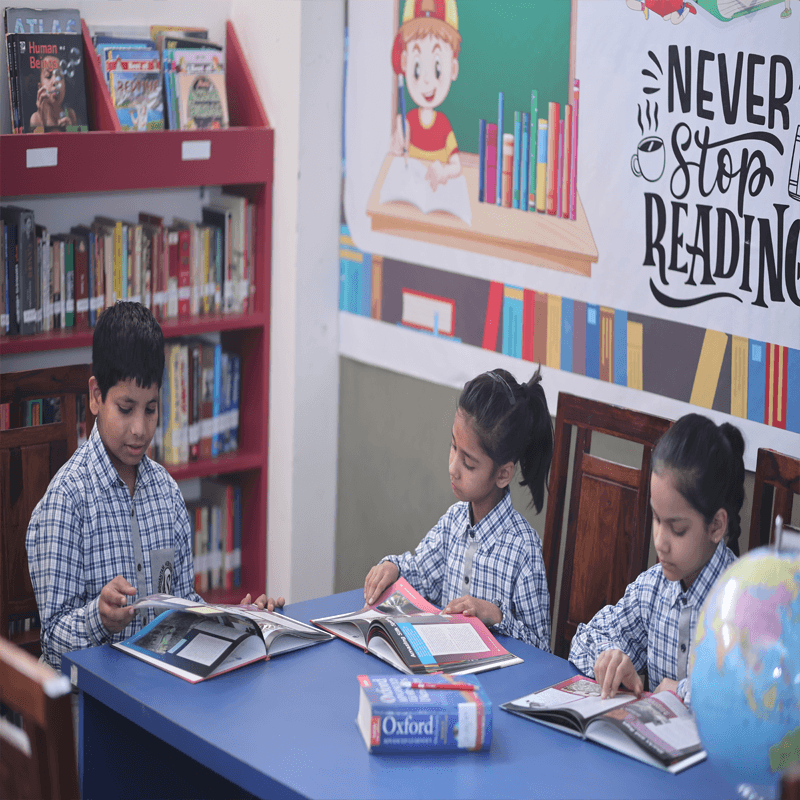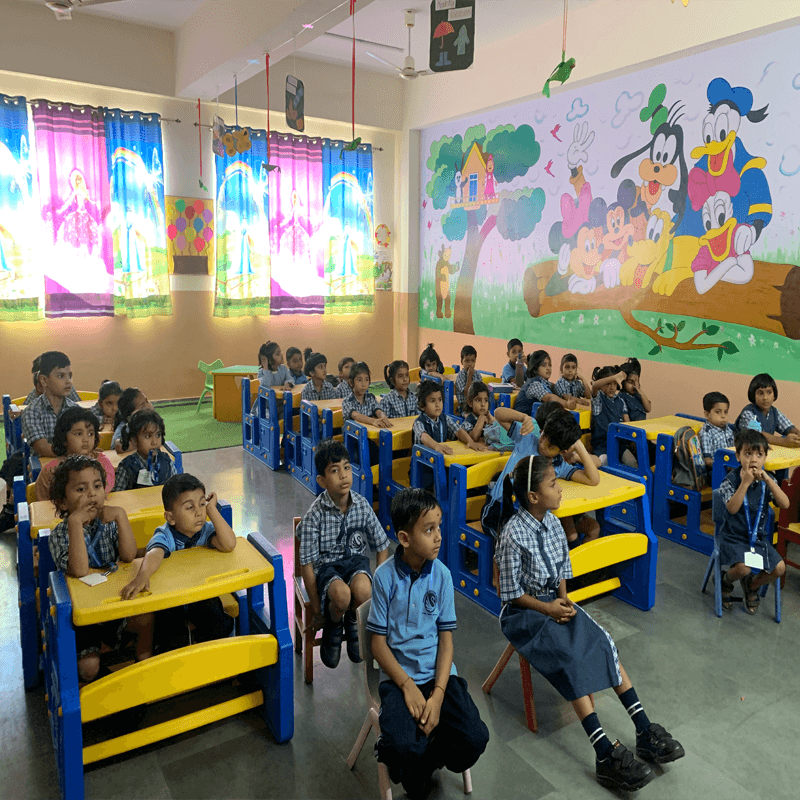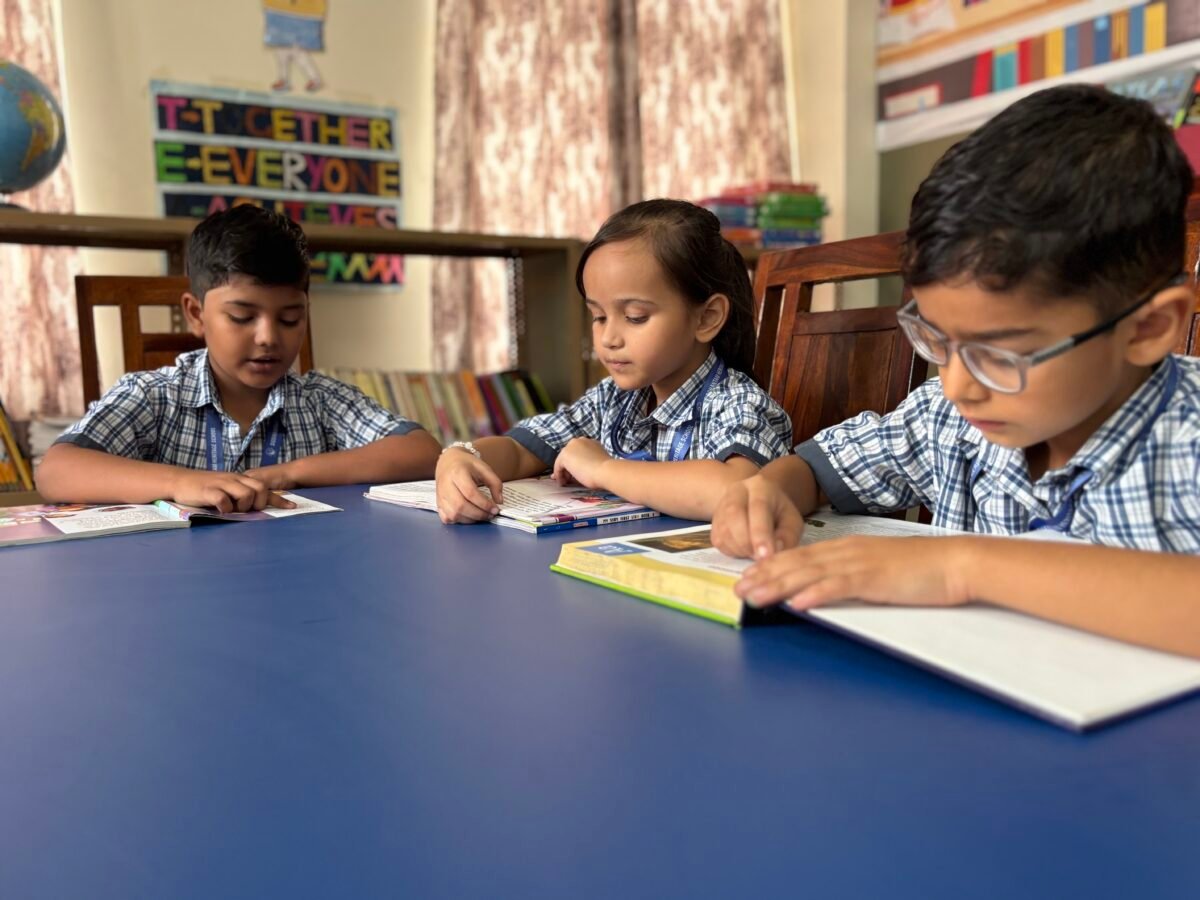
Reading is one of the most important skills for children. It helps them understand subjects better, improves thinking, and builds confidence. For children aged 5–10, this is the best time to develop strong reading habits. With the right support from parents and schools, especially a trusted school in Ghaziabad, children can enjoy reading and learn faster.
In India, many parents place a strong emphasis on marks, but the true foundation of a child’s success lies in strong reading skills. When a child reads well, they can understand concepts across all subjects with greater ease—from English and EVS to even simple Maths word problems.
Why Reading Skills Are Important
Reading benefits children in multiple ways. It strengthens vocabulary, improves sentence formation, and enhances communication skills. Children who read regularly are better able to express their thoughts clearly and more confidently in class.
It also enhances concentration and sparks imagination. When children read stories, they begin to visualise characters and situations, which nurtures creativity and strengthens their thinking skills. In school, this translates into better writing of answers, more engaging storytelling, and active participation in classroom discussions.
Signs Your Child Needs Reading Support
Sometimes children struggle with reading but may not openly share it. Here are a few signs parents should notice:
- Difficulty in recognising simple words
- Reading very slowly or skipping words
- Lack of interest in books
- Trouble understanding what they read
If you notice these signs, early support can really help your child improve.
Simple Ways to Improve Reading Skills in Children at Home
1. Create a Daily Reading Habit
Make reading a part of your child’s daily routine. Even 15–20 minutes every day can show great improvement. Morning or bedtime is a good time for reading.
2. Choose books that are appropriate for your child’s age and reading level
Select books based on your child’s age and interest. For younger children, colourful picture books work best. For older kids, storybooks, comics, or short moral stories are helpful.
3. Read Aloud Together
Reading aloud helps children learn correct pronunciation and build confidence. Parents can take turns reading with their child. This also makes reading a bonding activity.
4. Make Reading Fun
Use fun methods like storytelling, role play, or reading games. You can ask your child to act like a character from the story. This makes reading interesting and enjoyable.
5. Build a Reading-Friendly Environment
Keep books easily available at home. Create a small reading corner with storybooks, school books, and magazines. When books are around, children are more likely to pick them up.
6. Ask Simple Questions
After reading, ask questions like:
- What was the story about?
- Who was your favourite character?
- What did you learn from the story?
This improves understanding and memory.
7. Use Local and Familiar Content
Children connect better with stories they can easily relate to. Use Indian stories, folk tales, or simple Hindi-English mixed books to build interest.
8. Reduce Screen Time
Mobile phones and TV can distract children from reading. Set a fixed screen time and encourage more book reading instead.
Role of Parents in Reading Development
Parents play the most important role in building reading habits. Children learn by watching their parents. If they see you reading, they will also try to read.
Encourage your child, appreciate their effort, and try not to put too much pressure. Every child learns at their own speed. Little daily progress is more important than perfection.
Role of Schools in Improving Reading Skills
Schools are equally important in shaping reading habits. A good school, especially a CBSE school in Ghaziabad, provides regular reading practice, library time, and interactive teaching methods.
Teachers guide students with proper pronunciation, comprehension, and vocabulary building. Activities like storytelling, reading competitions, and group reading sessions make learning enjoyable.
At Siddhantam Heritage School, special emphasis is placed on developing strong reading skills from an early age. The school offers a supportive environment with engaging classroom activities, regular library sessions, and personalised attention for every child. This approach helps students grow into confident readers and develop overall skills.
Conclusion
Improving children’s reading skills from ages 5–10 is possible with patience and consistency. With daily practice, fun activities, and the right guidance, children can develop a strong reading habit.
Reading not only improves academic performance but also builds confidence and creativity. Start today, and you will see positive changes in your child’s learning journey.
If you are looking for a school that focuses on strong reading skills and overall development, consider a reputable school in Ghaziabad, such as Siddhantam Heritage School, and take the first step towards a brighter future.