Every child is unique—some are calm, while others are strong-willed and independent. Such children often question rules and prefer doing things their own way. While this can be challenging, it also reflects confidence and leadership potential. With the right guidance, these traits can be shaped positively. Many parents also face similar situations at home.
What Does “Strong-Willed” Mean?

Strong-willed children are not “difficult” children. They are determined, confident, and full of energy. They often:
- Say “no” quickly
- Want to make their own decisions
- Get upset when things don’t go their way
- Show strong emotions
In many Indian families, this behaviour may be seen as a child being very strong in their opinions. But with proper understanding, it can be shaped into a positive strength. Many parents also prefer schools that understand such behaviour and guide children with patience.
Stay Calm and Patient
The first rule is to stay calm. Strong-willed children react strongly, and if adults also react with anger, the situation can become worse.
Instead of shouting, speak in a calm voice. For example, if a child refuses to do homework, avoid saying, “Do it now!” Instead, say, “Let’s finish this together and then you can play.”
Patience is very important. It may take time, but calm communication builds trust.
Give Choices, Not Orders
Strong-willed children like to feel in control. Instead of giving strict orders, give them simple choices.
For example:
- “Do you want to study now or after 10 minutes?”
- “Will you wear the blue shirt or the red one?”
This helps them feel respected and reduces resistance. It also teaches decision-making skills.
Set Clear and Consistent Rules
Children need clear rules to understand what is right and wrong. Make sure rules are simple and consistent.
For example, if screen time is limited to one hour daily, follow it every day. In many Indian homes, rules change based on mood, which can confuse children.
Explain the reason behind the rules. When children understand “why,” they are more likely to follow them.
Appreciate Good Behaviour
Strong-willed children respond well to positive attention. Instead of focusing only on mistakes, notice and appreciate good behaviour.
Say things like:
- “I liked how you finished your homework on time.”
- “You shared your toys; that was very kind.”
This builds confidence and encourages them to repeat good actions.
Avoid Power Struggles
Trying to “win” against a strong-willed child can lead to daily conflicts. Instead, choose your battles wisely.
If the issue is small, like choosing between two snacks, let it go. Save your energy for important matters like safety and values.
Remember, the goal is to guide the child, not control them.
Teach Problem-Solving Skills
Strong-willed children are smart and capable. Teach them how to solve problems instead of reacting emotionally.
For example, if they fight with a friend, ask:
“What can you do to fix this?”
This helps them think and learn responsibility. Over time, they will handle situations better.
Build a Strong Emotional Connection
Spend quality time with your child. Talk to them, listen to their feelings, and understand their point of view.
In busy Indian lifestyles, parents often focus only on studies. But emotional connection is equally important. When children feel understood, they cooperate more.
Even simple activities like playing together or having dinner as a family can make a big difference. Many parents also consider such supportive environments while choosing a good school.
Be a Role Model
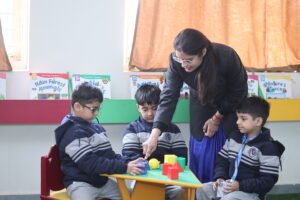
Children learn by watching adults. If you stay calm, respectful, and patient, they will slowly learn the same behaviour.
Avoid shouting or harsh punishment. Instead, show how to handle situations with maturity.
Encourage Independence in a Healthy Way
Strong-willed children want independence. Give them small responsibilities like packing their school bag or helping with simple household tasks.
This builds confidence and reduces the need to argue for control.
Conclusion
Handling strong-willed children can be challenging, but it is also an opportunity to nurture leadership and confidence. With patience and positive guidance, parents and teachers can shape their behaviour constructively.
At Siddhantam Heritage School, we focus on caring guidance and holistic development to help every child grow into a confident and responsible individual.
If you are looking for the best school in Ghaziabad, you can explore Siddhantam Heritage School to know more.